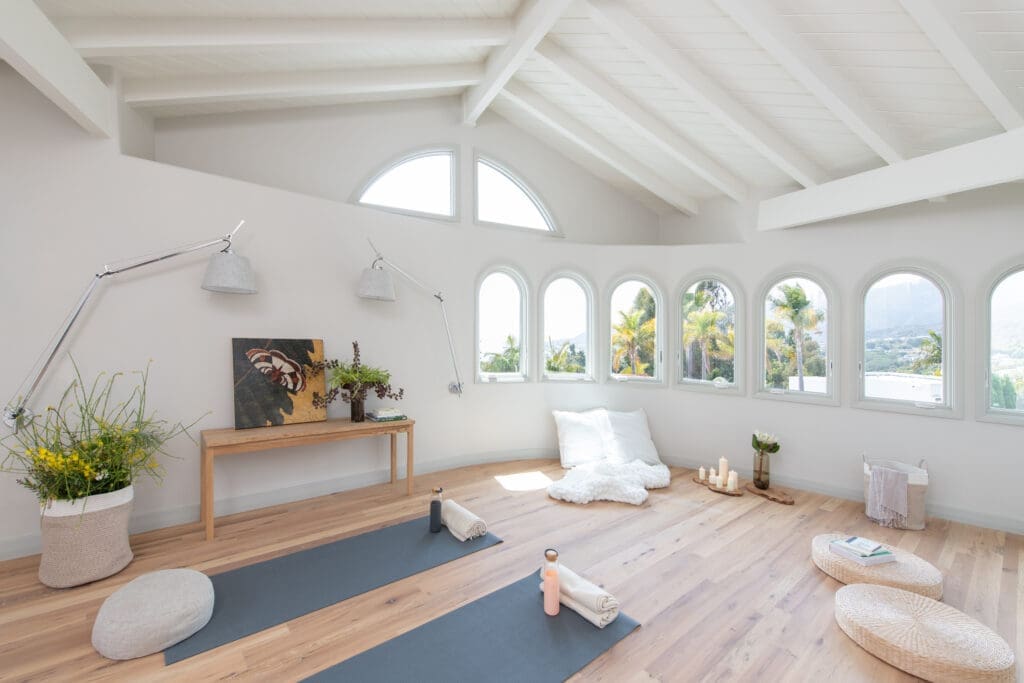
PHOTO BY: SARAH BARNARD DESIGN
By Alyssa Gautieri
2025 was a year of intentional design, especially for spaces dedicated to boosting physical, mental and emotional health. Thoughtful choices — natural materials, circadian lighting, and restorative zones — can lower stress, support better sleep and improve everyday routines. Wellness imbues features ranging from nature-inspired color palettes, calming layouts, and layered lighting to dedicated spaces, like mediation rooms and at-home spas.
“Wellness design is about harmony, spaces that support rest, creativity and connection,” says Sarah Barnard, founder of Sarah Barnard Design. “Thoughtful design can help nurture mental and physical well-being by reducing stressors like clutter, harsh lighting and synthetic materials.”
From defining holistic interiors to breaking down how they weave wellness into home design, here’s what the pros have to say. Responses have been lightly edited for space and clarity.

Sarah Barnard is a WELL- and LEED-accredited designer and founder of Sarah Barnard Design, based in Santa Monica, California.
Why are homeowners gravitating toward more holistic living, and how does that translate to interiors?
Sarah Barnard: A holistic interior considers the entire ecosystem of the home, light, air, color, texture and a visual connection to the outdoors. It’s about creating spaces that feel alive and supportive, not just beautiful. Many homeowners want environments that reflect their values and help them feel grounded. Holistic design brings together sustainability, sensory comfort, and emotional well-being so every detail contributes to a more balanced daily life.
How do you design interiors that support well-being?
Barnard: I use natural textures, organic forms, and biophilic elements to create calm, flexible spaces that adapt to changing needs. Layout and acoustics matter as much as aesthetics: the overall environment, including its quiet and comfortable aspects, can help influence how we feel. My guiding principle is empathy: understanding how someone lives and what replenishes them.
What specific color palettes and textures bring wellness into a space?
Barnard: Nature-inspired palettes, soft greens, sands, and ocean blues can encourage calm and connection. I often layer neutrals with organic textures, allowing art and handcrafted pieces to bring warmth and individuality. Spaces that combine natural light, personal treasures and balanced color often feel restorative and timeless.
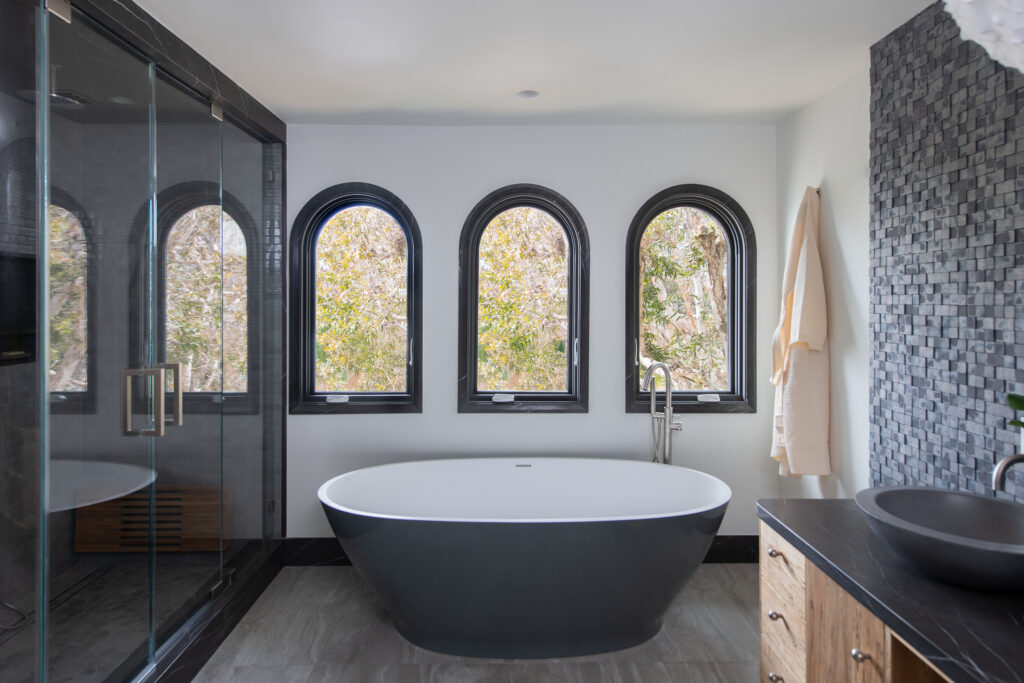
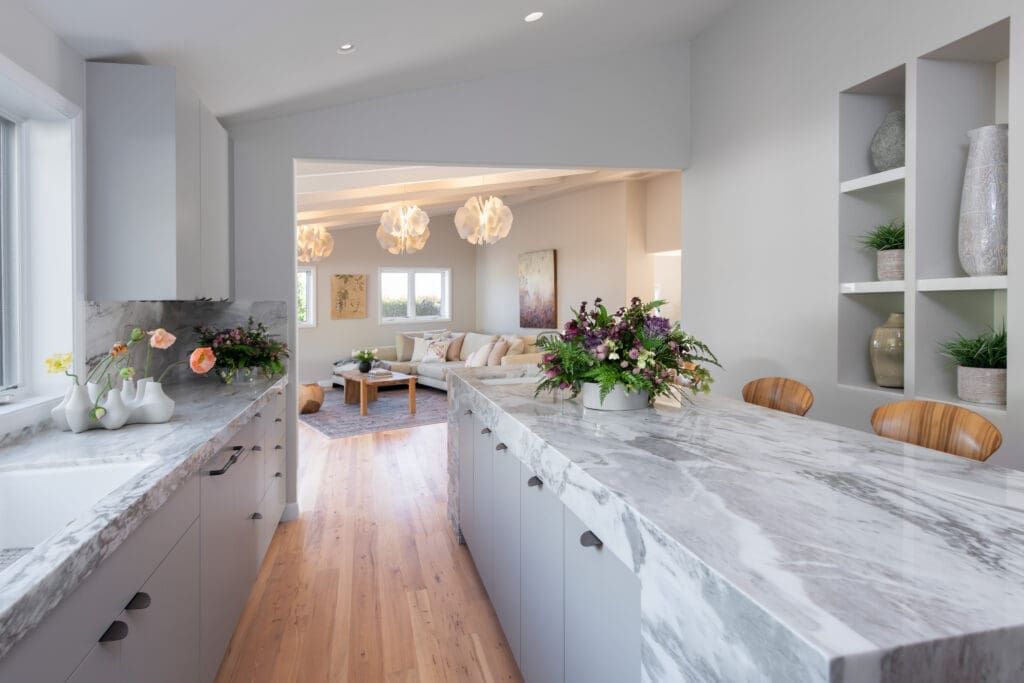
PHOTO BY: SARAH BARNARD DESIGN
What role does lighting play in crafting a holistic interior?
Barnard: Lighting is one of the most powerful wellness tools. Natural daylight is ideal, but when that isn’t possible, I use layered, dimmable lighting to emulate it. Warm tones and soft diffusion can reduce strain and support circadian rhythm. Thoughtful lighting design helps the home feel attuned to the body’s natural rhythm, enhancing focus during the day and encouraging rest at night.
What layout decisions most affect stress, flow, and energy in a room?
Barnard: I prioritize open circulation paths, intuitive sightlines and uncluttered corners. Balanced symmetry can help to quiet the mind, while comfortable transitions between social and private zones allow for emotional flow.
Are more homeowners designing rooms dedicated to wellness?
Barnard: Yes. Dedicated wellness rooms are growing in popularity, but the fundamental shift is toward making every room supportive. Meditation corners, spa-inspired baths, and home workspaces with a focus on ergonomics are all rising trends. The goal is to create spaces that help restore energy and balance, whether that’s through stillness, movement or beauty.
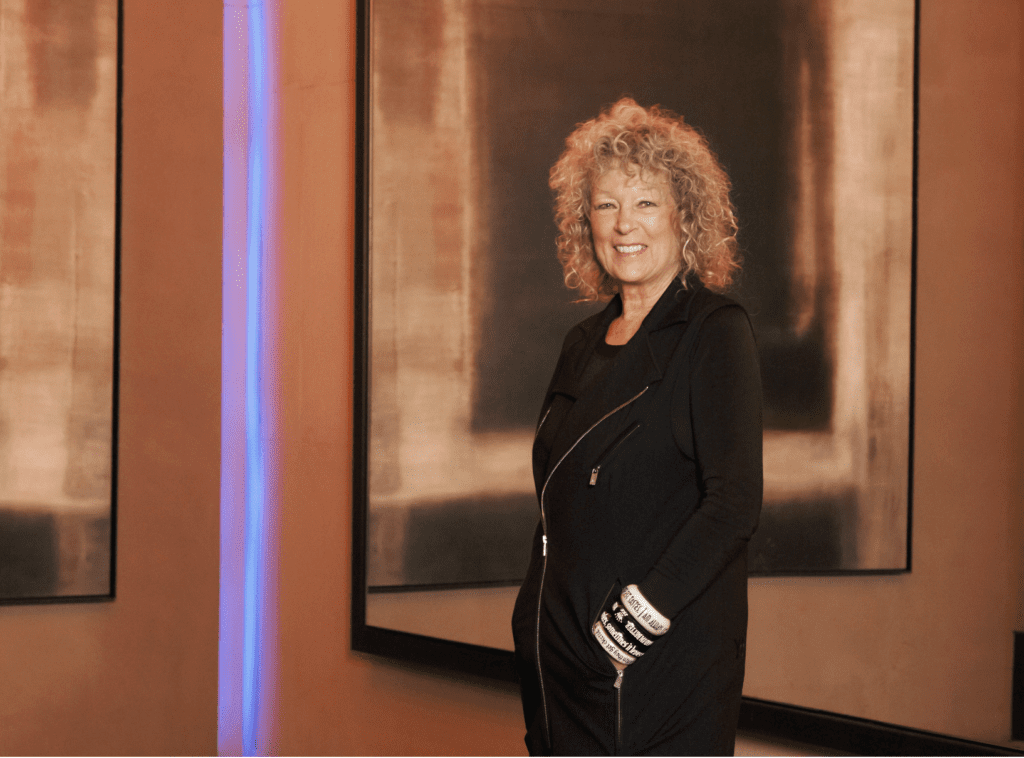
Clodagh, an Irish-born designer known for her holistic approach, is the founder of the New York City-based Clodagh Design, a powerhouse in the design world since the 1980s.
Why are homeowners gravitating toward more holistic living, and how does that translate to interiors?
Clodagh: Holistically is the smartest and most fulfilling way to live. Utmost in our minds when designing and defining residential projects are sustainability, comfort, luxury and well-being. Invisible storage spaces are also key. One of our mantras at Clodagh Design is ‘to design the irritations out of people’s lives.’
How do you design interiors that support well-being?
Clodagh: Wellness design enhances the value of the property and the lives of all the members of the household. The first thing we do is interview the homes’ residents separately and thoroughly, so we can mesh all of their wishes. Often one of the residents is shy about sharing what they really want in front of their partner. We even go so far as to get their astrological signs and the signs of their children.
What specific color palettes and textures bring wellness into a space?
Clodagh: We favor soft earth tones to ground the body and interject vivid art and sensual sculptures that reflect the elements and senses. However, vivid accent walls and splashes of color — like fire red, indigo and ochre — also appear. A powder room is a place to play with color, but keep the relaxation areas in quiet colors. Gray, black and camel can make well-behaved backgrounds and open the mind for thought, like in a home office.
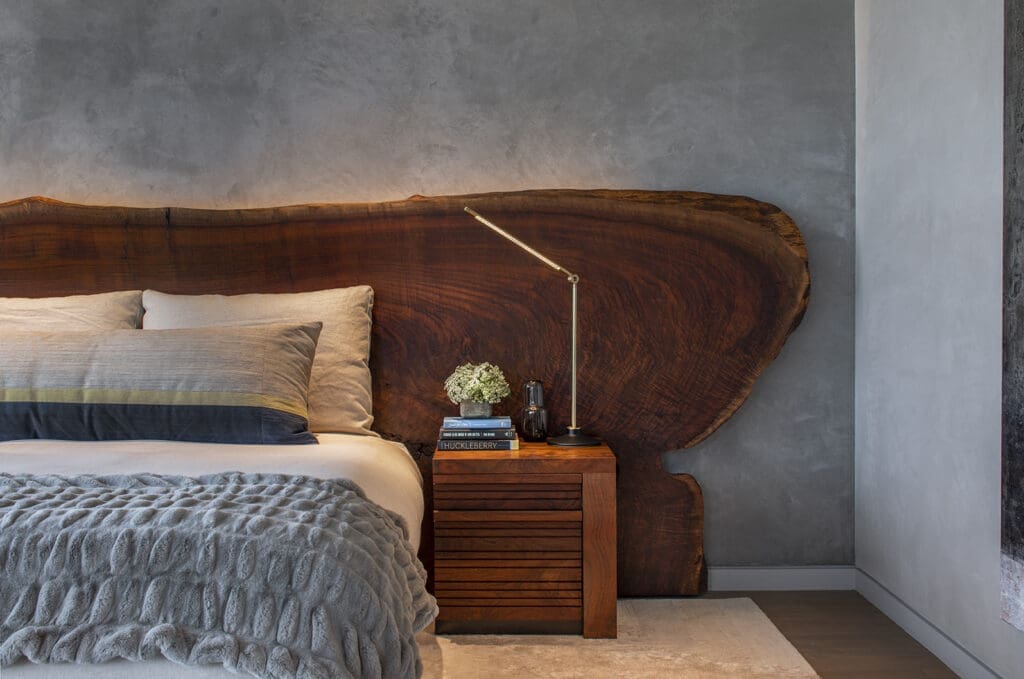
PHOTO BY: ART GRAY
What role does lighting play in crafting a holistic interior?
Clodagh: LED lighting is critical in crafting a home’s interiors. It reflects the mood and elevates the home. We consider lighting to be an artform in itself — glow but not glare. I always incorporate quality reading lights for an avid reader like me, and soft lighting with highlights on key art pieces for dining and lounging. Bathrooms should be lighted like a laboratory and have a dimmer to create a glow to allow you to dream in your tub.
What layout decisions most affect stress, flow, and energy in a room?
Clodagh: We follow the elements of Feng Shui in all of our residences. This ancient Chinese practice attempts to align a space with the flow of energy to promote harmony and balance. We always have a Feng Shui expert as part of our design team. We are spiritual as well as physical beings, so we deal with space to make the invisible tangible and balanced.
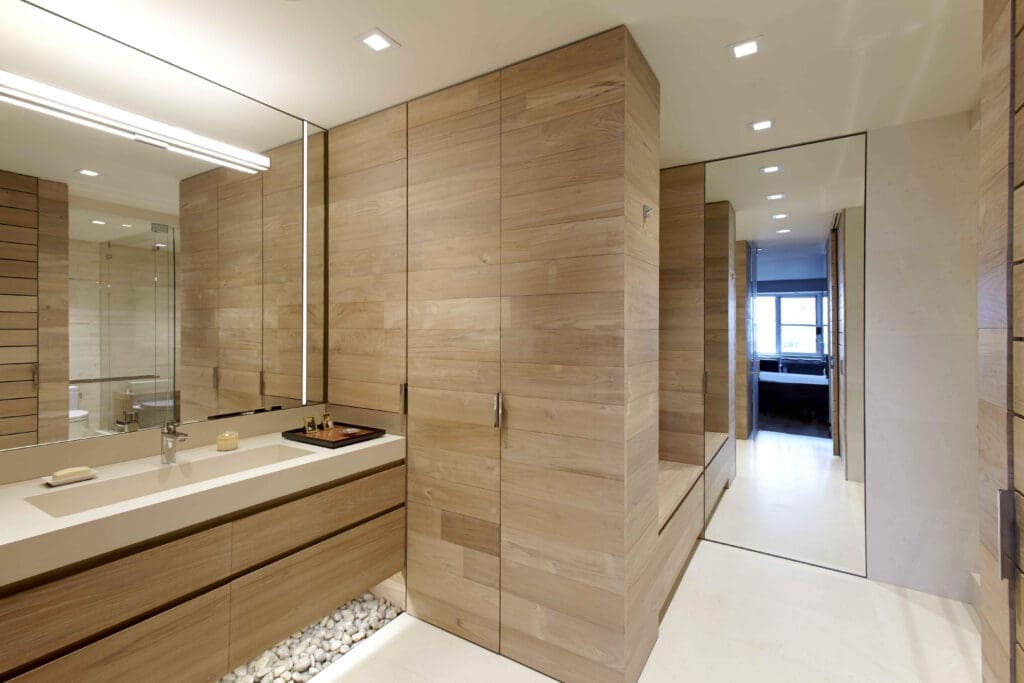
PHOTO BY: KEITH SCOTT MORTON
Are more homeowners designing rooms dedicated to wellness?
Clodagh: Home gyms, saunas and meditation rooms are becoming more popular, as are private home spas, quiet rooms and reading rooms. Ever since the pandemic, more outdoor space is in demand, in both urban and country environments. Outside fire bowls are often part of our design for a sense of community and family togetherness. We want to create places where people can gather to converse and exchange ideas and put their devices to sleep for a while.