From intimate chef’s tables to immersive multi-course experiences, the world’s finest dining destinations are redefining luxury tasting menus through innovative cuisine, rare ingredients, and unforgettable culinary artistry.
The Art of Tasting Menus
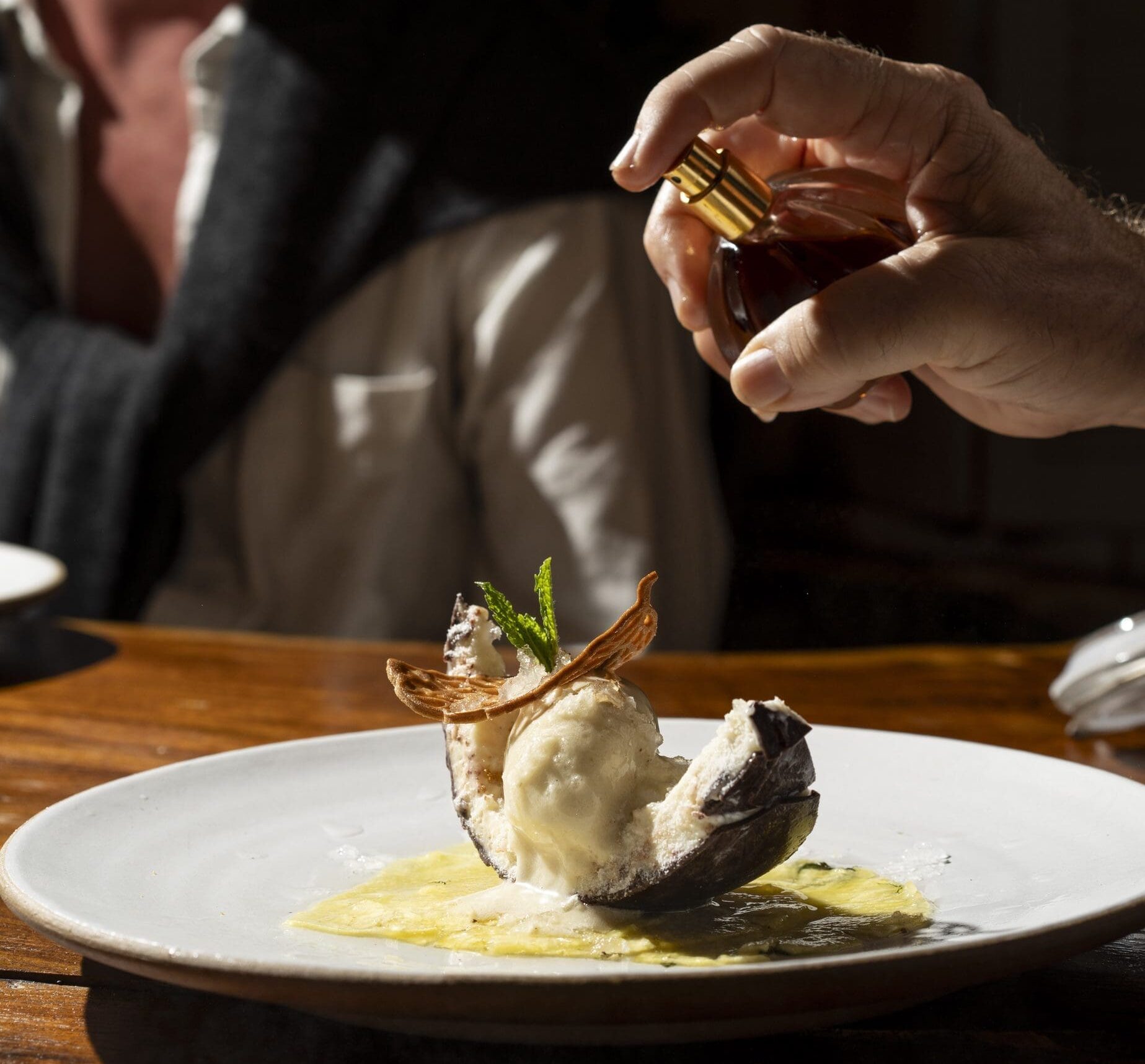
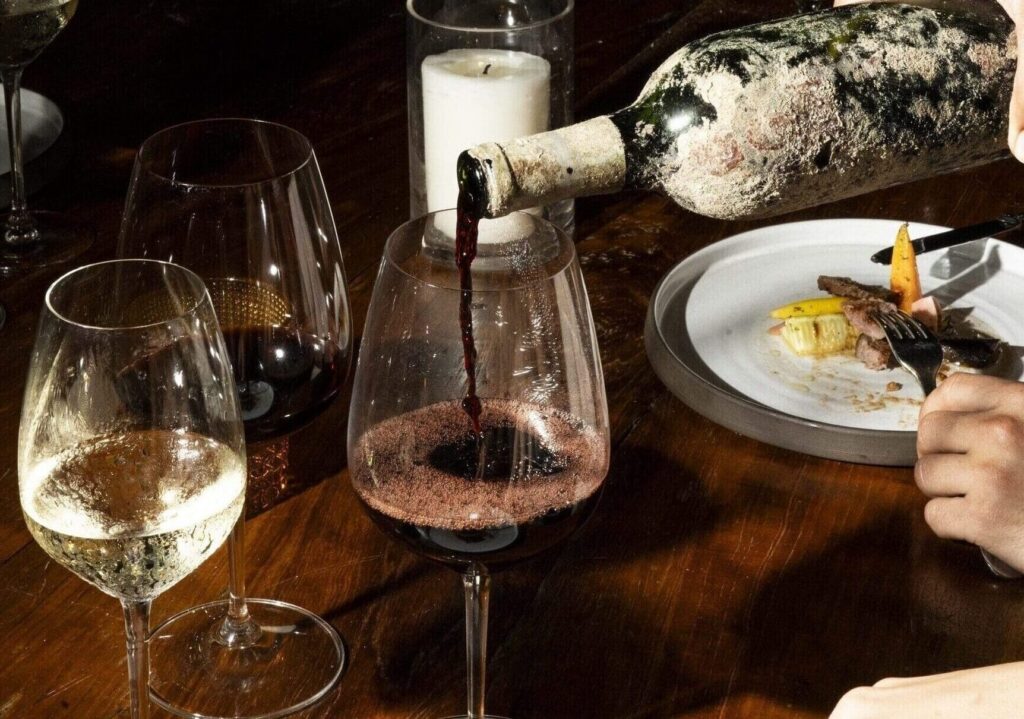
In the rarefied world of fine dining, the tasting menu has evolved into something far more ambitious than a sequence of courses — it’s now a fully orchestrated performance. Around the world, a new echelon of chefs is redefining the format with immersive, multi-hour experiences that blur the lines among cuisine, theater and art. Expect not just precision and seasonality, but spectacle: tableside flourishes, bespoke service rituals, rare ingredients flown in at their peak, and unexpected interludes that heighten anticipation between bites.
These are not meals to be rushed. They unfold deliberately, each course building on the last in a crescendo of flavor, texture and narrative. This is the modern tasting menu at its most thrilling: immersive, extravagant and unforgettable.
Edible Luxury, Redefined
One of Hawaii’s most inviting and indulgent tasting experiences can be found at Mugen, which is tucked away in ESPACIO The Jewel of Waikiki, a luxurious, omotenashi-inspired (Japanese hospitality) hotel in the heart of Honolulu. Guests can choose among three tasting menus: the five-course Jade, six-course Emerald, and seven-course Sapphire. Executive Chef Colin Sato incorporates luxury ingredients such as dry-aged prime tomahawk ribeye, Toriyama A5 wagyu, and Maine lobster, with deft pairings selected by Sommelier Douglas Priesel, who oversees the restaurant’s Wine Spectator “Best Of” award-winning wine collection.
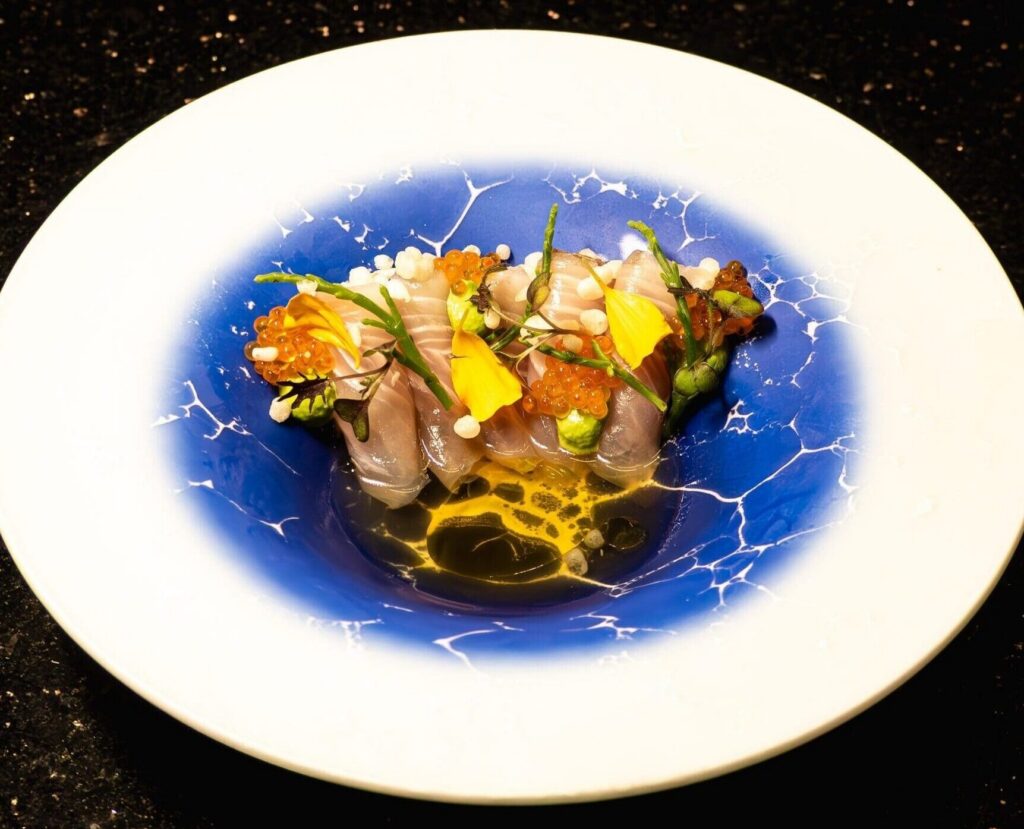
One of Texas’s most exciting culinary newcomers, Kappo Kappo, provides an intimate, chef-led tasting experience. Nestled away in the Austin Proper Hotel, this 25-seat restaurant is built around a 15-seat chef’s counter, emphasizing direct engagement between the chef and guest. Each dish is prepared and plated in front of diners in traditional Kappo “cut and cook” style, blending classic Japanese technique with refined French influence — a cross-cultural approach gaining momentum as chefs move beyond rigid formats toward more intuitive, market-driven menus. Kappo Kappo is led by twin chefs Haru Kishi and Gohei Kishi, whose backgrounds reflect this French–Japanese lens. Set within a design-forward space by Kelly Wearstler, the experience keeps the focus on craft, pacing and the intimacy of the counter.
An Experience for the Senses
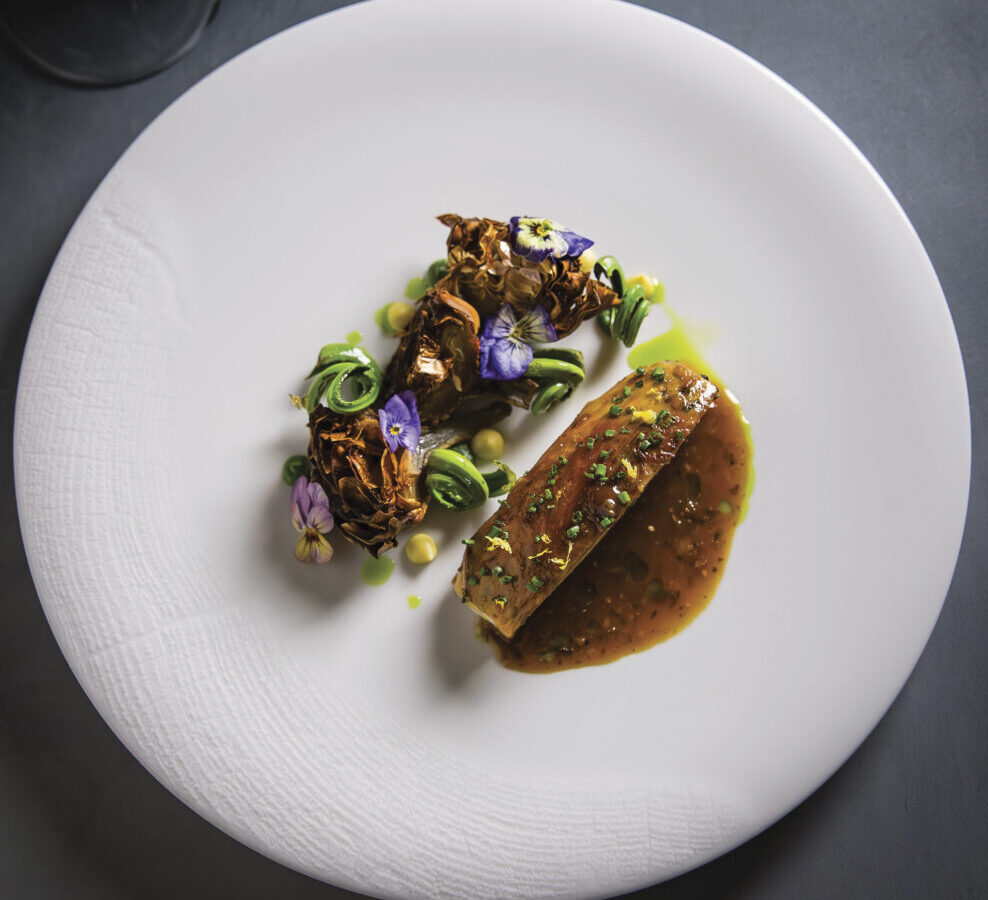
In a region awash with lauded tasting menus, Violetto — the signature fine-dining restaurant at Alila Napa Valley — stands apart for its irreverent, experimental approach. Though only in his thirties, Executive Chef Mark Shoemaker carries a wealth of fine dining experience. At the heart of the restaurant is L’orto Violetto, an on-site culinary garden just steps from the dining room. Nestled among old vines and fertile valley land, the garden informs every element of the experience, supplying shade-loving herbs, edible flowers, native plants and a diverse collection of salvia that move seamlessly from soil to plate. Hotel guests can often find him in the garden each day, harvesting ingredients that shape the restaurant’s four- and eight-course tasting menus. One of Hawaii’s most inviting and indulgent tasting experiences can be found at Mugen, which is tucked away in ESPACIO The Jewel of Waikiki, a luxurious, omotenashi-inspired (Japanese hospitality) hotel in the heart of Honolulu. Guests can choose among three tasting menus: the five-course Jade, six-course Emerald, and seven-course Sapphire.
Executive Chef Colin Sato incorporates luxury ingredients such as dry-aged prime tomahawk ribeye, Toriyama A5 wagyu, and Maine lobster, with deft pairings selected by Sommelier Douglas Priesel, who oversees the restaurant’s Wine Spectator “Best Of” award-winning wine collection.
Michelin-Starred Restaurants
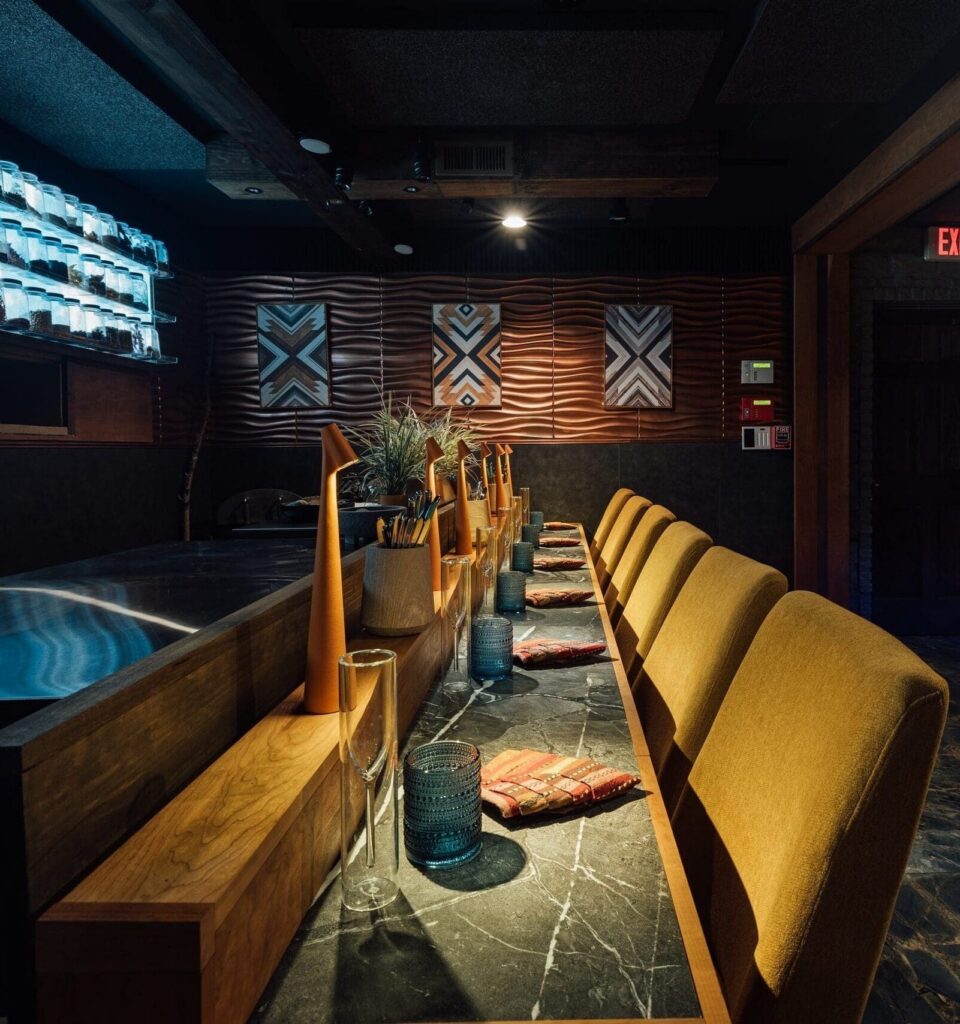
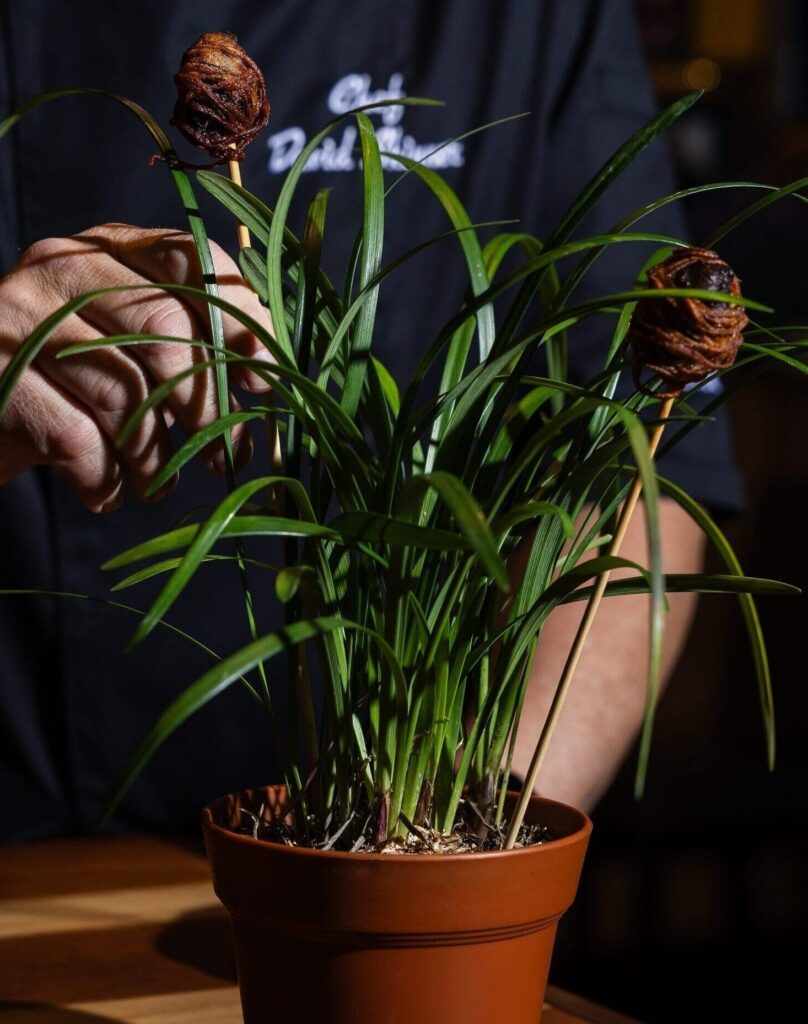
In Kemah, Texas, Choctaw Chef David Skinner is the visionary behind Ishtia, a deeply personal Native American tasting menu experience. With seating for up to eight guests, the multi-course journey — which often features anywhere from 15-20 courses and runs up to three hours — celebrates indigenous ingredients and techniques, weaving together lesser-known elements with modern approaches and cultural reverence. The tasting menu showcases the diversity and richness of a variety of indigenous cuisine. The menu includes ingredients indigenous to North and South America and some colonial imports, illustrating how these elements transformed cultures and influenced the destinies of indigenous peoples. Standouts include the Nan okcha̱ki Kashuffi (“smudge salad” with greens and walnuts) and I tek Tuchina (scallops, squash, corn, beans). Jungsik New York — the first Korean restaurant in the U.S. to earn three Michelin stars — offers a modern and elevated approach to the tasting menu format. Chef Jungsik Yim has helped redefine how Korean cuisine is experienced on the global stage, bringing an innovative lens to traditional flavors and techniques. The tasting menu unfolds as a series of reimagined Korean touchstones. For example, Kimbap — traditionally a comfort food — is refined with yellowtail, nestled into a custom porcelain plate and paired with crisp seaweed bugak and truffle rice. The menu’s choreography carries into the beverage program, notably through Jungsik’s “Ban-Ban” pairing — a seamless interplay of wine and non-alcoholic pours designed to move in step with the menu.
Immersive Dining Experiences
Rising above the Chao Phraya River, lebua Bangkok combines award-winning accommodations, breathtaking views and curated experiences across multiple floors in one of Thailand’s tallest towers. With two Michelin-starred restaurants and some of the highest alfresco dining venues in the world, lebua creates memorable experiences for gourmands, romantics and global tastemakers. On the 61st floor, Chef’s Table by lebua redefines the open-kitchen concept entirely. Every one of the restaurant’s seats is oriented toward the kitchen, where each service becomes a quiet dialogue between Executive Chef Vincent Thierry and his guests. The tasting menus are built on produce sourced from both local Thai artisans and select international purveyors — single-origin vegetables grown by small farms, sustainably raised proteins, foraged herbs. Four floors higher, Chef Ryuki Kawasaki’s Mezzaluna by lebua offers a different kind of splurge: hyper-exclusive ingredients rarely found outside of Japan. His signature Niigata Murakami Wagyu — from a rare cattle breed raised on rice straw and hay in Kawasaki’s hometown — anchors a seasonal tasting menu where French classical technique meets Japanese precision and soul, served in an iconic half-moon dining room with sweeping skyline views.