PHOTO BY FRATANTONI LUXURY ESTATES, LLC\
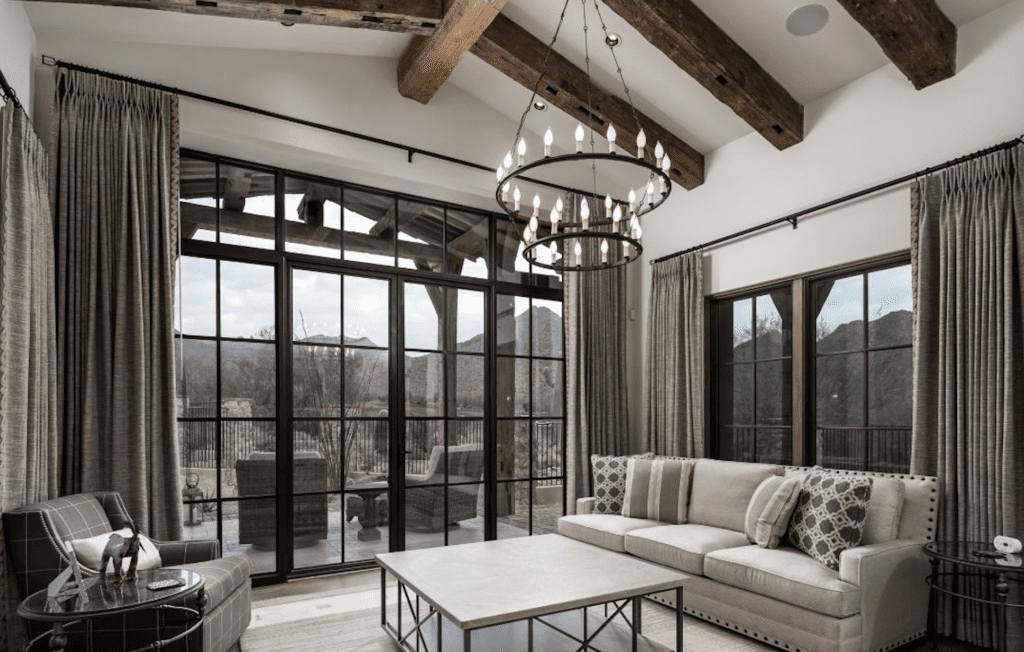
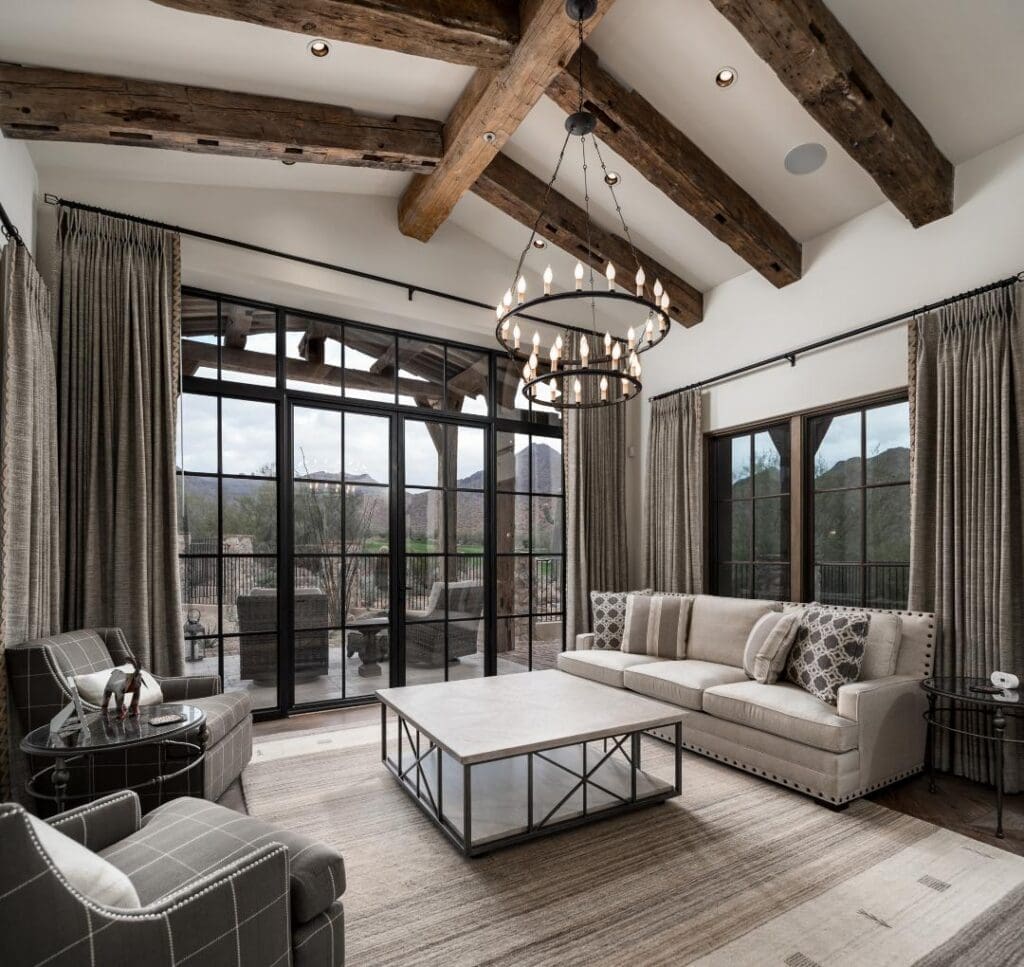
Casita design has evolved to include expansive luxury spaces that cater to living, working and wellness.
By Ellen Paris
Architects and interior designers remain focused on the expanding definition of home. Increasingly, for a certain type of homeowner, this definition includes the casita. The term, which translates to “little house” in Spanish, refers to a small, self-contained living space built on the same property as a primary home — and their popularity appears to be surging.
“In the ultra-luxury market, casitas are no longer viewed as ‘secondary spaces.” They are designed to mirror the sophistication of five-star hotels or private villas,” notes Josie Fratantoni of Fratantoni Luxury Estates, LLC. Today, luxury casitas boast bespoke architecture, custom millwork and curated interiors.
“Many of our clients want their casitas to feel like a private sanctuary. They want to seamlessly blend indoor and outdoor living with features like glass walls that open to courtyards, private plunge pools or landscape gardens,” adds Fratantoni. The demand for casitas as personal wellness retreats, outfitted with spa-like bathrooms, meditation rooms, boutique fitness spaces, and yoga and Pilates studios, also continues to grow.
DESIGN EVOLUTION
The historic concept of a casita dates to the early 1800s in California. Casitas began as “little houses” or cottages associated with Spanish Colonial architecture. Now most popular throughout California and Arizona, casitas can be seen in residential architecture ranging from Mediterranean to midcentury styles.
“Luxury casitas are no longer simple guesthouses; they’ve become extensions of a homeowner’s lifestyle,” says Katherine Mueller, principal designer and owner of Scottsdale, Arizona-based Katherine Mueller Design. Privacy is key, with separate entrances, kitchenettes and luxurious bathrooms. “Functionality is also a priority. Casitas often include workspaces, fitness areas or even wine bars,” Mueller adds. When used for guests, homeowners want a luxury casita to balance hospitality and flexibility, while giving guests independence and enhancing the property’s lifestyle value.
Casita design demand today includes executive-style retreats, complete with state-of-the-art technology. “Above all, the casita must reflect the same architectural integrity and attention to detail as the main estate, ensuring a cohesive and elevated design throughout the property,” Mueller notes.
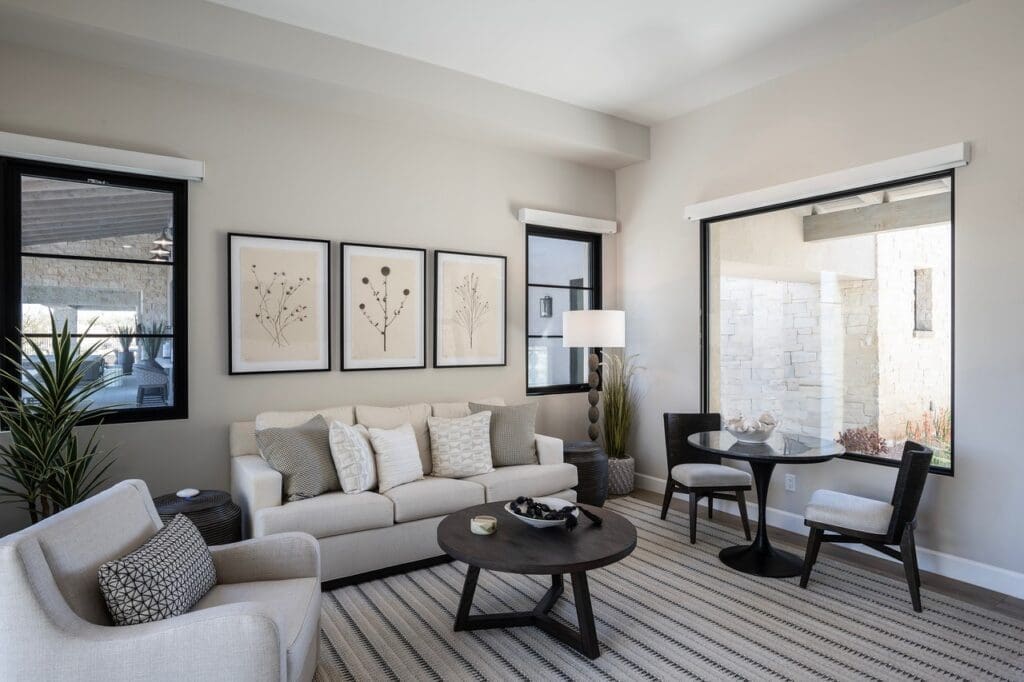
PHOTO BY SCOTT SANDLER, COURTESY OF KATHERINE MUELLER DESIGN
CASITAS VS. ADUs
Over the last several years, casitas and accessory dwelling units (ADUs) have endured a bit of an identity crisis. Not all casitas are ADUs from a design perspective, and not all ADUs are called casitas. An accessory dwelling unit is a broader zoning classification used by cities, and structures in this category must meet building code and city approvals. For example, the City of Phoenix permits homeowners with lots up to 10,000 square feet to build one ADU capped at 1,000 square feet in size. In other words, casitas can be a type of ADU, but it can depend on both design and geography.
In most areas, state and municipal regulations remain the same for new construction of casitas and ADUs. “There are so many names people use for ADUs, and casita is just one of many, including guest house, granny flat, backyard cottage and carriage house,” explains Keely Montgomery, marketing and selections coordinator, CAPS, ADU specialist for Stone Creek Building |Shelter Solutions of Oregon City, Oregon.
According to Pasadena, California-based Pacific Research Institute, citing a recent report from ADU West Coast, California has issued more than 60,000 ADU permits since 2018.
“Casitas are more than a garage conversion, which is what we see with some ADUs,” says Los Angeles-based Julia Wong, interior designer for the much-awaited Hudson House, “A casita designed by an architect is multi-functional and complete on its own.” Depending on the architecture, a casita could be standalone or attached to the main house with a courtyard separating the two structures.
UNMATCHED FLEXIBILITY
The broad scope of creative design options for casitas appeals to homeowners, whether adding a casita to an existing property or including one in a new custom build. Montgomery of Stone Creek Building |Shelter Solutions shares her own family’s experience. “We originally built our casita-slash-ADU with universal design in mind so my parents could live comfortably and safely as they aged.” Now Montgomery and her husband plan to live there when their children are older. “The beauty of a casita is flexibility. What starts as a space for aging parents can later become a rental, guesthouse or even your own retirement living space,” Montgomery adds.
Erik Evens, partner at KAA Design, a Los Angeles high-end residential design firm, underscores the fundamentals of luxury casita design. “Flexibility and connection to the landscape are always important,” he says. Evens points to recent projects where the casita functions as part-time guest quarters and is used as a pool house or garden pavilion when entertaining. “The design of an indoor-outdoor pavilion with expansive pivot, pocket or foldaway doors that engage with the surrounding landscape with different day and night functions is increasingly in demand.” The average casita build size for KAA Design ranges from around 600 to 900 square feet, according to Evens.
EXTENDED THEMES, INDEPENDENT SPACES
Fine design that extends the feeling of home to a supplemental space is necessary for comfortable casita living. Modern Nest, a Scottsdale home design, build, and furnishings firm, executed this approach in its Southwest Glory project. In that initiative, classic Southwest architecture with modern elements in both the main home and casita make for a winning combination. “The casita at our Southwest Glory project was designed as a true extension of the home, layered with warm wood tones, character-filled finishes, and inviting details that make every guest feel at ease,” observes Jillian Bader, owner and design principal, Modern Nest.
But even as designers aim to extend the feel of the home to the separate casita, today’s luxury homeowner also wants a casita to be a completely independent residence, rather than just a guest suite. They expect the utmost in privacy, with separate gated entrances, soundproofing and dedicated garages.
Alisha Taylor, founder of Alisha Taylor Interiors in Scottsdale, understands the demand for timeless casita design. “Luxury homeowners want their casitas to feel like a boutique suite with quality finishes, intentional layouts, and discreet kitchenettes or coffee bars so guests have everything they need without stepping into the main house.”
Taylor confirms privacy and comfort are among the top requests from clients. “Big asks include keyless entries, acoustic upgrades, blackout window treatments and generous storage for longer stays.”
As luxury homeowners continue to enhance their stay-at-home lifestyle, from staycations to welcoming friends and family, expect to see the best in fine casita design continue to evolve.